Understanding 2 Corinthians: A Secular Analysis
December 22, 2024Categories: Biblical Analysis, Book Summary

The Bible Explained from a Secular and Skeptical Perspective with George and Caroline
Delve into "The Bible Explained from a Secular and Skeptical Perspective," a podcast that critically examines each book of the Bible. We provide thought-provoking Bible criticism while celebrating its literary significance. Join us for an engaging secular Bible analysis that challenges traditional interpretations and offers fresh insights. Ideal for those curious about the Bible's impact from a non-religious viewpoint. Discover the history, culture, and stories that make the Bible a fascinating text to explore.
Hey there! So, I've been diving into 2 Corinthians lately, and I thought I'd share some of the interesting insights and challenges it presents, especially from a skeptical or secular perspective. It's a fascinating book, attributed to Paul, one of the key figures in the New Testament. Let's get into it!
First off, 2 Corinthians is essentially a letter from Paul to the church in Corinth. It's a follow-up to his first letter, where he addresses various issues within the church. But this second letter is more personal. Paul defends his authority as an apostle and talks about his hardships and sufferings for the sake of the Gospel. It's an emotional and raw piece of writing.
Now, if we look at it through a modern lens, there are definitely some inconsistencies and challenges. Paul talks about his "thorn in the flesh," which he never really explains. Some think it's a physical ailment, others say it's a metaphor for his struggles. But there's no clear answer, which leaves a lot of room for interpretation.
Another interesting aspect is how Paul deals with issues of morality and behavior. He emphasizes forgiveness and reconciliation, which is great, but some of his views on gender roles and authority might clash with today's views on equality. For example, Paul's writings in other letters about women being silent in churches can feel quite outdated now.
There are also some parts where Paul's explanations don't quite align with modern scientific understanding. Take his mention of visions and revelations, for example. From a secular Bible analysis standpoint, these might be seen as personal experiences or even psychological phenomena, rather than divine messages.
One of the biggest challenges with accepting this as the Word of a perfect God is the context in which it was written. Paul was living in a very different world, with different social norms and scientific understanding. So, his writings can sometimes seem at odds with our current knowledge and moral standards.
For those interested in a deeper dive into these kinds of analyses, I'd recommend picking up a book on critical thinking by Dr. Bo Bennett. It's a great resource for developing a more nuanced understanding of texts like 2 Corinthians. Get Your Copy for more insights into thinking critically about religious and historical texts.
Overall, 2 Corinthians is a rich and complex text. It's full of emotion and personal struggle, and it offers a lot of food for thought, especially when viewed through a critical lens. It's a reminder of how much the world has changed and how important it is to approach ancient texts with both respect and a healthy dose of skepticism.
Whether you're a believer or just curious, exploring the Bible from different perspectives can be incredibly enlightening. If you're interested in more skeptical Bible discussions, keep an eye out for more content like this!
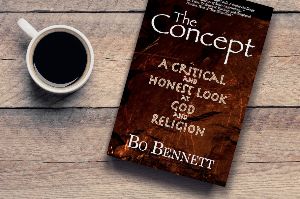 |
Discover A New Perspective On God And Religion With "The Concept"
|
Post Tags: